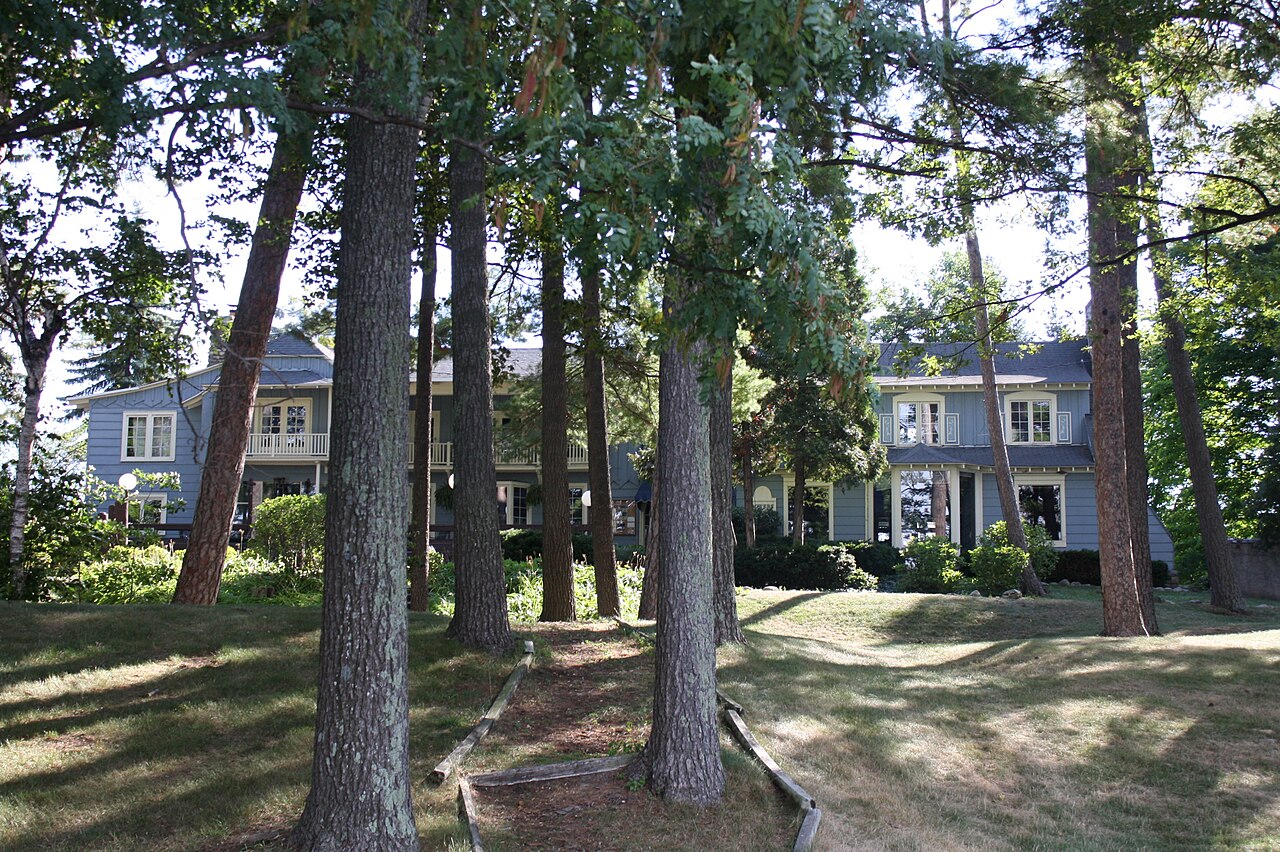
Tonight's spotlight: Franklin Castle
The house was built in 1881 by architects Cudell and Richardson for Hannes Tiedemann, a German immigrant, and has a horrific past, as well as, some ghostly stories.
7 paranormal claims
Connection to location →At PANICd.com, every location holds a story waiting to be uncovered. From forgotten cemeteries and abandoned asylums to historic landmarks hiding unsettling pasts, our database is built for those who seek more than just a place on a map. Each entry is a doorway into history, folklore, and firsthand paranormal claims gathered from years of exploration across the United States. Whether you are a seasoned investigator, a curious traveler, or someone drawn to the unexplained, PANICd.com invites you to step beyond the surface and explore the shadows where history and hauntings collide.
Let viewers search by keyword, state, and haunt type right from the homepage.
Card based storytelling similar in feel to major haunt directories, but styled for PANICd with stronger branding, cleaner search flow, and room for your own reports and cross promotion.
The history of Ashtabula Regional Medical Center began because the community saw a lack of medical care when it was needed most. More →
Originally constructed in 1893, the Congress Plaza Hotel featured cobbled streets, gaslights, and horse drawn carriages. The hotel was originally called the Auditorium Annex when it opened to house the throngs of visitors to the World's Colombian Expositi More →
The building at 239 Arch Street, now known as the Betsy Ross House, was built over 250 years ago. The front portion was built around 1740, with the stair hall (or piazza) and the rear section added 10 to 20 years later. More →
We have several categories to choice from to browse the locations. Below we selected just a few random selections.
Houses might be considered "haunted" if the people living in them died in a tragic way or experienced a traumatic event in the house, which would leave behind a "residual energy" in the space. Conversely, a person who lived in a house for a long time and had a strong positive emotional connection to it may leave behind a lingering presence even after they have died as well. Historic homes are more likely to be haunted because they have seen more significant events. If the house is younger, it is also possible that it was built over a burial site that was previously used, and the concentration of the area was shattered when the graves were disturbed. This scenario could potentially lead to paranormal activity because the property is being disturbed rather than the structure itself.
Military forts are frequently thought to be haunted due to their lengthy and sometimes violent histories, as well as serving as protective areas for civilians and soldiers. The history of these locations frequently involved sudden deaths, battles, traumatic experiences, and fear for those within its walls, which resulted in a high concentration of tragic stories and lingering spirits associated with the location. In essence, the very nature of war and the possibility of sudden, unexpected death can contribute to a belief in hauntings. Additionally, the eerie ambiance of these abandoned forts, often shrouded in mystery and decay, can amplify the feelings of unease among visitors. When a town was under siege, forts would often call in and protect the community. There are reports of non-military spirits roaming abandoned military forts, remaining there for protection.
People often perceive hotels and motels as "haunted" due to their frequent visitors, who can leave behind residual energy. They are also often old, historic buildings that may have witnessed significant life events, such as deaths, which can create a sense of lingering spirits or "ghosts" in the space. Additionally, the unfamiliar environment and quiet nature of hotels can contribute to feelings of unease and vulnerability. These factors can increase people's likelihood of believing in paranormal experiences.
The PANICd Haunted Map is a powerful tool that brings hundreds of documented paranormal locations to life, allowing users to visually explore haunted sites across the country. By plotting real locations with precise geocodes, the map lets visitors discover nearby hauntings, filter by categories like cemeteries or historic buildings, and dive deeper into each site’s history and reported paranormal activity. Whether you are planning a road trip or simply exploring from home, the haunted map transforms raw data into an interactive experience that makes the unknown feel just a little closer.
Here is a listing of our most recently added locations. Check back often as we are adding new locations as we find them.
Rolling Hills Asylum in East Bethany, New York, began its long history as the Genesee County Poorhouse. More →
Nestled along Harvester Avenue in Batavia, New York, Historic Batavia Cemetery is much more than a burial ground. It is a window into the earliest days of western New York and the people who helped build the community. More →
The two-story brick building was constructed in 1831 by architect and builder Hezekiah Eldredge. It was designed in the Federal style and originally served as the Bank of Genesee. More →
The Galena Marine Hospital was created to care for sick and injured sailors and riverboat workers traveling the inland waterways of the United States. More →
Our Haunted Travels is based on locations that PANICd.com members and/or owners have visited to conduct research or an investigation based on reported paranormal claims within the PANICd.com database. All of the locations and articles posted here are based on personal experiences of the members and/or owners. We have also used the original PANICd.com YouTube channel to convert it over to Our Haunted Travels where have have documented the locations we have visited from the database on the channel. Below is a playlist on our videos within the most recent one produced.
Consider subscribing to our channel if you like our content.
Connect to YouTube Channel Connecto to Travel Journal